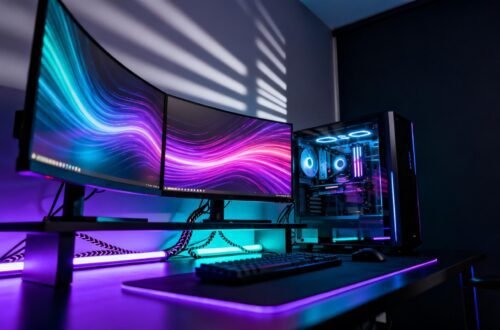
🖥️ Minimalist Gaming Setup: How to Build a Clean, High-End Space That Feels Calm
Minimalist gaming setup design proves a powerful gaming setup does not have to look loud or cluttered. The most compelling modern gaming spaces balance performance with restraint, pairing premium hardware with intentional design choices that allow the room to breathe. Minimalism in this context is not about owning less technology, but about letting each piece earn its place visually and functionally. When done right, a high-end minimalist gaming setup feels calm when idle and immersive when powered on. It supports long sessions without distraction, showcases craftsmanship rather than excess, and integrates seamlessly into a modern living or working space. The goal is clarity, where every surface, cable, and light source contributes to a cohesive experience rather than competing for attention.
Start With Structure, Not Specs (Minimalist Gaming Setup Essentials)
Minimalist gaming setups succeed when the foundation is designed before the hardware is selected. Desk choice, layout, and spatial flow determine whether even the most expensive components feel intentional or chaotic. Begin by selecting a desk with clean lines and generous depth, allowing your display to sit at a comfortable distance without forcing accessories to stack forward. Mounting your display on a monitor arm instantly frees surface space and creates visual lightness, especially when adjusted to float just above the desk. This single decision can define the entire aesthetic by reducing clutter and emphasizing posture and ergonomics.
Seating is another structural choice that often undermines minimalism when overlooked. A high quality gaming chair does not need bold logos or aggressive contours to perform well. Look for neutral colors, refined materials, and a silhouette that complements the desk rather than overpowering it. Comfort is essential, but visual harmony matters just as much in a space meant to feel focused and calm. Cable management should be planned at this stage as well. Routing power and data through desk grommets or trays and bundling them with cable sleeves keeps the setup visually quiet, even when supporting demanding hardware.
This structural approach ensures that when components are added later, they integrate naturally. Instead of reacting to clutter after it appears, you create a framework where clutter struggles to exist at all. Minimalism becomes proactive rather than corrective, which is the key to maintaining it long term.
Choose Input Devices That Disappear Into the Experience
In a minimalist setup, peripherals should feel like extensions of your hands rather than visual statements. This does not mean sacrificing performance, but it does mean prioritizing subtlety and cohesion. A well chosen mechanical keyboard can offer exceptional responsiveness while maintaining a restrained profile. Low profile designs, muted colorways, and soft backlighting allow the keyboard to fade into the desk when not in use, then come alive only when interaction demands it.
The surface beneath your hands matters more than many realize. A neutral toned desk mat anchors the keyboard and mouse visually while improving tactile comfort and acoustic control. It reduces sharp contrasts and helps the entire workstation feel unified, especially when paired with a desk and peripherals in complementary finishes. Avoid excessive branding or patterns here. The goal is continuity, not decoration.
Audio accessories often disrupt minimalism due to their bulk and awkward placement. Instead of leaving headphones draped over monitors or chairs, a discreet headphone stand placed just out of the main visual line keeps them accessible without cluttering the focal area. Choosing materials that match or subtly contrast your desk can turn even functional accessories into quiet design elements.
When input devices are selected with intention, the setup feels effortless. Your attention stays on the game, the task, or the moment, rather than on the objects themselves. This is where minimalism enhances immersion rather than limiting it.
Use Light and Sound as Controlled Accents
Lighting is one of the most powerful tools in a minimalist gaming setup, and also the easiest to misuse. Instead of filling the room with visible light sources, focus on indirect illumination. Subtle LED strips placed behind the desk or monitor can create depth without drawing attention to themselves. Soft, diffused light enhances atmosphere while preserving the clean lines of the setup. Color should be used sparingly, often sticking to a single hue or gentle gradients that align with the overall tone of the room.
Sound is an equally important but often ignored part of minimalist design. Hard surfaces and bare walls can create harsh acoustics that break immersion and cause fatigue. Strategically placed acoustic panels in neutral fabrics can improve sound quality while doubling as understated wall features. They absorb excess noise without turning the room into a studio, maintaining a residential feel.
For those who game or work for long hours, environmental comfort matters. Managing background hum from hardware and echoes in the room contributes to a sense of calm focus. Thoughtful noise dampening choices, such as soft furnishings or under desk pads, reduce distractions and make the space feel more controlled. When light and sound are treated as design elements rather than afterthoughts, the setup feels refined and intentional.
A Minimalist Setup Is a Living System
A high-end minimalist gaming setup is never truly finished. It evolves as needs change and as technology advances. The key is to resist the urge to add without purpose. Each new component should replace or refine what already exists, not simply pile on top. Regularly reassessing the space keeps it aligned with your priorities, whether that is performance, comfort, or visual calm.
Minimalism does not mean denying yourself upgrades or expression. It means choosing clarity over clutter and intention over impulse. When every element has a reason to be there, the setup supports you rather than distracting you. The result is a space that feels premium without being loud, powerful without being chaotic, and personal without being overwhelming. In that balance, gaming becomes not just an activity, but an experience that fits seamlessly into your life.
If you’re designing a cleaner, more intentional space, you might also enjoy our guide on creating the perfect RGB gaming sanctuary at home.
For more minimalist inspiration, check out Ikea’s desk setup ideas.


You May Also Like